Mobile Casinos Adapt to Stricter Regulations and Payment Innovation
 Emily Patel
Key Takeaways:
- UK operators navigate major 2026 regulatory reforms, including higher taxes, stake limits, and frictionless financial checks, reshaping mobile UX and promotions.
- Global shift toward localized and crypto payments accelerates, prioritizing instant, mobile-first transactions in emerging markets.
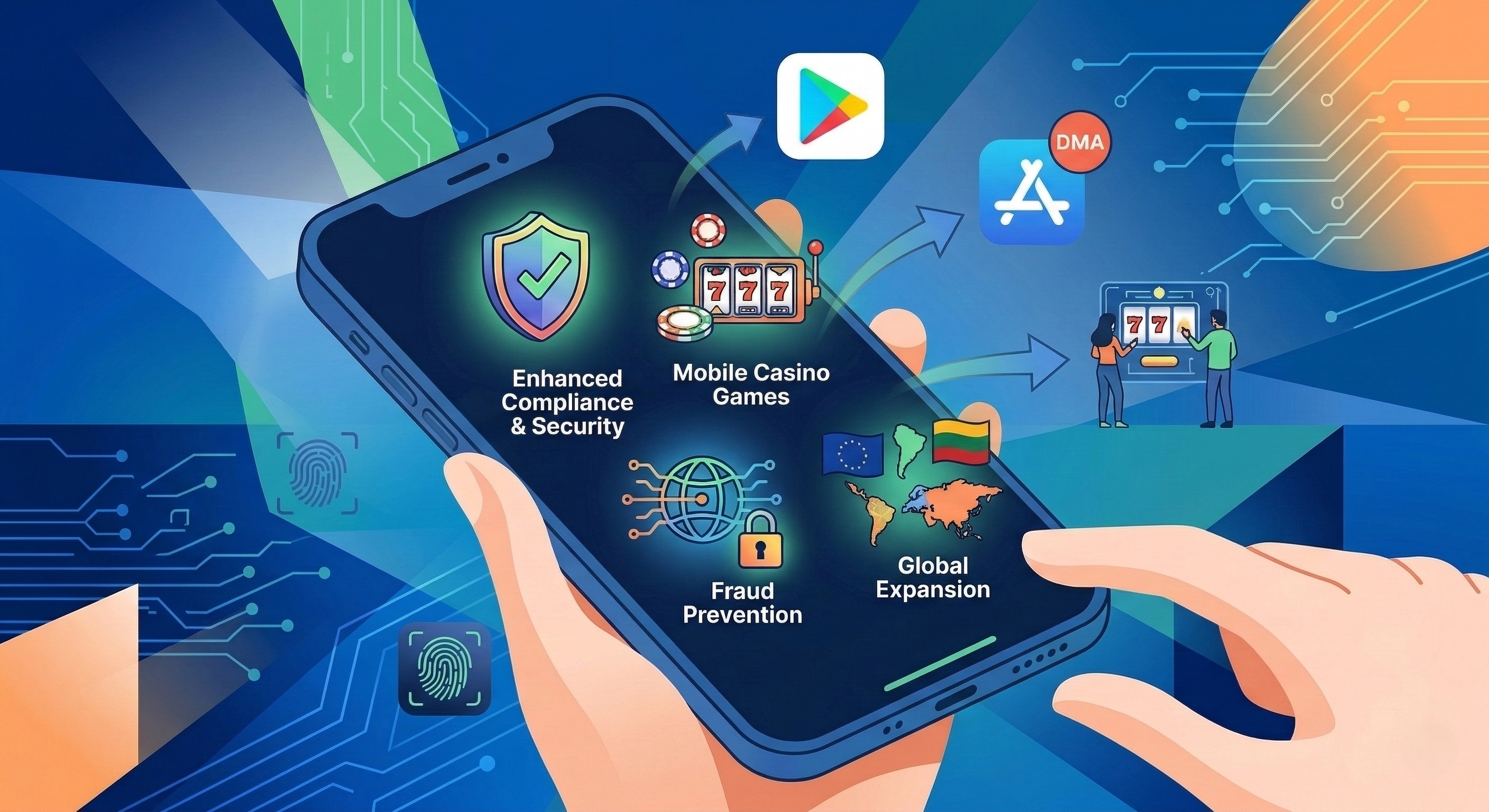
- Enhanced compliance and security focus amid evolving fraud threats and app distribution challenges.
UK iGaming Faces sweeping 2026 Regulatory Overhaul
The UK Gambling Commission’s (UKGC) 2026 reforms are significantly impacting mobile casino operations. From April 1, the Remote Gaming Duty rose sharply to 40% on online slots and casino revenue (from 21%), prompting operators to adjust bonuses, marketing, and margins. Statutory stake limits on slots—£2 per spin for 18–24 year olds and £5 for those 25+—are now mandatory, with clear in-app display requirements.
Frictionless financial risk assessments have become standard, using background data for light-touch checks (e.g., at £150+ net deposits in 30 days) and enhanced reviews for high spenders, minimizing disruption for most players while strengthening protections. A ban on mixed-product bonuses (e.g., sports bets unlocking casino offers) further isolates casino promotions. These changes aim to curb harm and the black market but pressure legal operators’ competitiveness on mobile platforms. UKGC enforcement against unlicensed sites has intensified with additional funding.
Payment Innovation Drives Mobile-First Accessibility
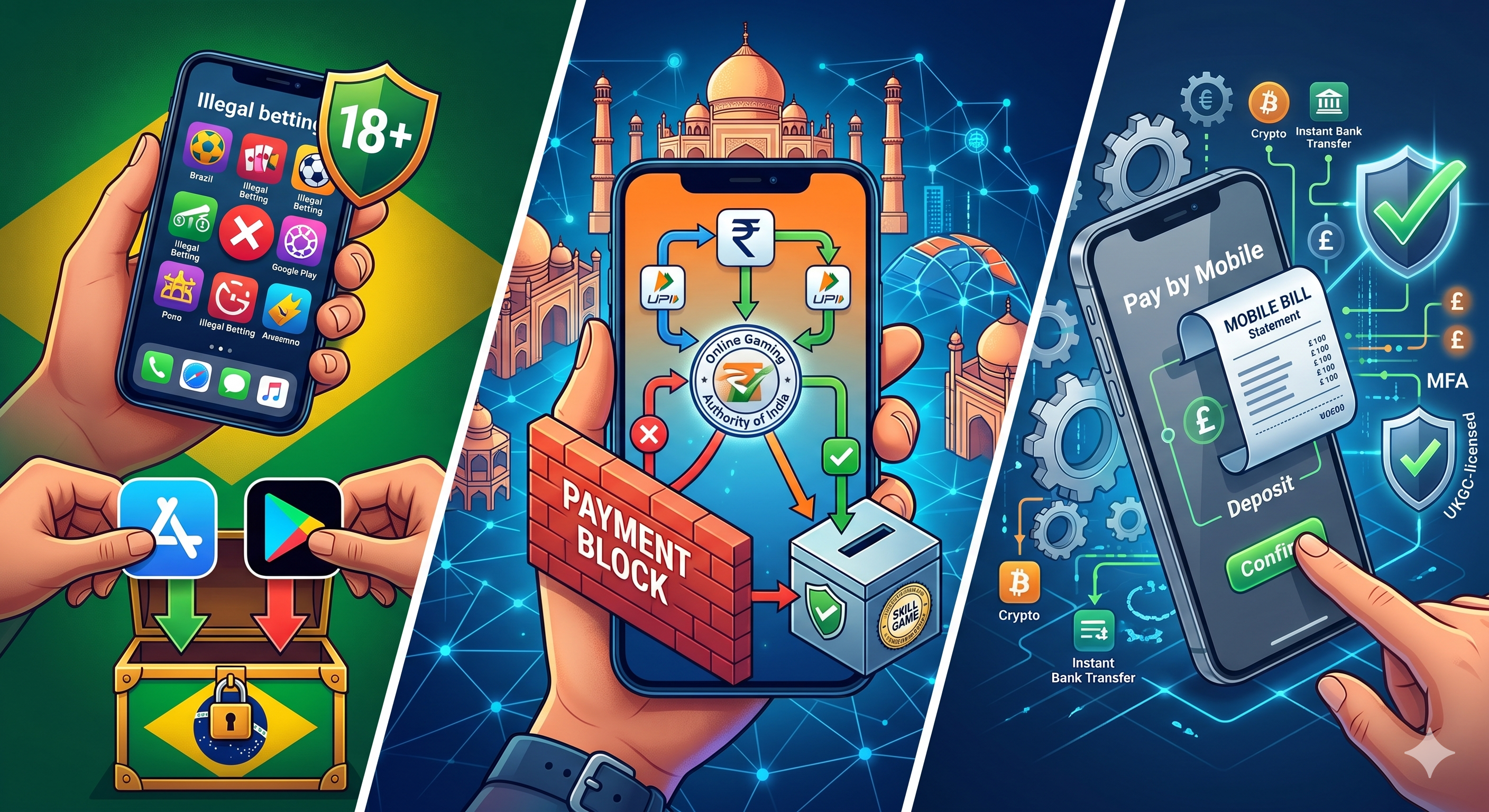
iGaming payments in 2026 emphasize localization, speed, and flexibility to match mobile player expectations. Emerging markets are shifting from cards to alternative payment methods (APMs) like mobile wallets (e.g., PIX in Brazil, UPI in India, M-PESA in Africa), instant bank transfers, and regional solutions. Multi-PSP setups with routing and cascading are becoming standard for higher approval rates, lower fees, and resilience.
Crypto adoption continues strongly in Latin America, Asia, Africa, and Eastern Europe, offering near-instant deposits/withdrawals, lower costs, and appeal to tech-savvy users. Fiat-to-crypto on-ramps expand reach, while stablecoin regulations (e.g., EU MiCA) influence compliant options. Subscription-style auto-top-ups and personalized payment experiences, powered by analytics and AI, further enhance retention and UX on mobile apps.
Brazil Enforces Strict Post-Regulation Compliance
As Brazil’s regulated iGaming market matures in 2026, operators face rigorous KYC/AML, facial verification, SIGAP integration, and payment rules banning credit cards and anonymous crypto. Payments must link to verified player CPF accounts. The end of the grace period has shifted focus to enforcement, highlighting the need for robust mobile compliance infrastructure in Latin America.
App Distribution and Fraud Risks Evolve
Ongoing challenges include stricter Google Ads gambling certification requirements (effective earlier in 2026), demanding proven compliance history and domain ownership. Security threats persist, with campaigns mimicking app stores to distribute unvetted gambling apps and sophisticated fraud (e.g., AI-generated identities, deepfakes). Mobile operators prioritize biometric security, real-time monitoring, and official store distribution.
Broader Industry Context
These developments underscore a maturing global mobile casino sector balancing innovation with responsibility. Operators investing in compliant, localized, secure mobile experiences—especially seamless payments and responsible gaming tools—are best positioned amid regulatory tightening in mature markets like the UK and rapid growth elsewhere.
(Sources: iGaming Expert, GR8 Tech, Racing Post, regulatory notices, and industry reports from early May 2026.)